

Exterior Painting Prep: What Homeowners Should Do Before Summer
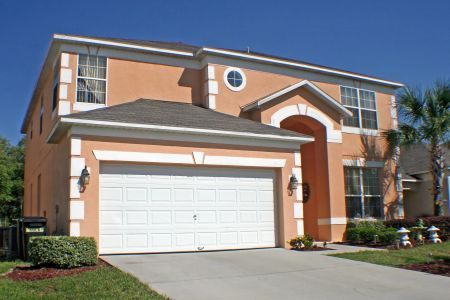
Summer in Burlington comes fast, and the sunny stretch is short. If you want a fresh, durable finish, now is the time to plan your exterior painting in Burlington, VT. This guide explains what you can do before your crew arrives and what professional prep looks like, so your project starts strong and finishes beautifully. If you prefer a turn-key experience, our exterior painting team handles every step with care.
Why Exterior Painting Prep Matters in Burlington’s Climate
Lake Champlain brings moisture, spring winds, and big temperature swings. Winter’s freeze-thaw cycle opens hairline cracks, while summer sun can bake south-facing walls across the New North End, Old North End, and the Hill Section. Without strong prep, fresh paint can lift or fade too soon.
Prep is how a coating bonds, seals, and protects. Proper cleaning, careful scraping and sanding, spot-priming bare wood, and tight caulking create a smooth base that stands up to Vermont’s seasons. **Moisture is paint’s number-one enemy.** Good prep blocks water, which helps stop peeling and keeps your siding and trim looking sharp longer.
What Homeowners Can Do Before Your Crew Arrives
You do not need to do any technical prep. Save that for pros. The most helpful steps are simple and low effort. They keep the work moving and protect your belongings.
- Clear porches, decks, and patios. Store grills, planters, and furniture away from the work zone.
- Unlock gates and garages. Make sure crews can access water and exterior outlets.
- Plan for pets and kids. Arrange safe indoor spaces when ladders and tools are in use.
- Trim easy-to-reach shrubs that press against siding. Crews can cover the rest.
- Discuss colors and sheen ahead of time. Burlington’s classic capes and foursquares often suit soft neutrals with crisp white trim.
- Check HOA guidelines if you are in a South Burlington or Essex community. Requirements vary.
- Confirm parking for work vehicles on narrower streets near Downtown or the Five Sisters.
These small steps help your painting contractor start on time and protect your landscaping and outdoor gear.
Professional Prep Steps You Should Expect
Quality prep is methodical and thorough. You should expect a walkaround to flag trouble spots, followed by the right steps in the right order. Here is what our clients around Burlington, South Burlington, Colchester, and Winooski typically see:
Assessment. Your crew inspects siding, trim, fascia, and doors for peeling, rot, open joints, and water staining. They note high-wear areas like sills facing the lake breeze.
Cleaning. Surfaces are washed to remove dirt, pollen, chalking, and mildew. This helps primer and paint grip. Crews choose the right method for wood, fiber cement, or aluminum.
Scraping and Sanding. Loose paint is scraped to a firm edge, then sanded for a smooth transition. Feather-sanding reduces telegraphing so the finish looks even.
Priming. Bare wood and stained areas are spot-primed, and problem substrates may receive specialty primers. This locks down edges and evens out porosity for uniform color.
Caulking and Repairs. Gaps around windows and trim are sealed, and minor carpentry fixes are addressed before paint. Tight joints keep water out through winter.
Masking and Protection. Windows, fixtures, and landscaping are covered. Drop cloths keep paths clean and safe. **Protect your landscaping before work begins.**
Scheduling Exterior Painting in Burlington, VT
Our outdoor painting season usually starts when nights stay reliably above the product’s minimum temperature and humidity settles. Around Burlington, that often means late May into September, with flexibility in early fall if the forecast is stable.
- Target steady daytime temps, ideally with low to moderate humidity.
- Avoid painting right after rain or during heavy pollen drops.
- Leave time for each layer to dry before the next step.
If you are comparing schedules in the New North End versus Shelburne or Essex Junction, microclimates can differ by a few degrees near the lake. When in doubt, lean on a local pro who watches dew points and shade patterns street by street. To get help planning the season, start with exterior painting in Burlington, VT and explore how we stage projects for Vermont weather.
Color and Coating Choices That Last on Vermont Homes
Sun and water shape color performance here. Lighter body colors can reduce heat on south and west elevations, while deeper trim adds contrast without over-warming the surface. Satin or low-luster finishes on trim and doors offer wipeability without a plastic shine, and flat or matte on broad siding helps hide minor imperfections from past winters.
Talk with your crew about sheen for porches and railings, especially in neighborhoods exposed to lake breezes. Sheen balance is part look, part function, and small on-site samples can prevent surprises once the sky brightens in July.
How We Protect Homes With Lead Awareness
Burlington has many beautiful pre-war houses with original trim and window details. If your home was built before 1978, mention it during scheduling so the crew can assess needs. **Lead-safe work practices matter for homes built before 1978.** Your painting contractor will follow established safety procedures when required, and they will explain how these steps affect timing and containment.
How To Prepare Your Property for a Smooth Workday
Think of painting day like moving day, just outside. Clear access speeds the setup and helps the team finish sections in the best light. Consider these quick checkpoints the evening before work starts:
- Charge outdoor cameras or disable motion alerts to reduce notifications while crews work.
- Move vehicles so ladders and lift equipment can reach gables and dormers.
- Close windows on the work side to keep dust out of rooms.
- Set sprinklers to skip watering near the house for a few days.
If anything feels tricky, share it at the morning walkthrough. A few minutes of planning saves hours later.
Quality Checks You Can Request Without Climbing a Ladder
You should feel confident about what is happening on your home, even from the ground. Ask your crew lead to point out test patches, primed repairs, and caulked joints before color coats go on. After the first coat, walk around together and review critical areas such as window sills, fascia ends, and door frames. Clear communication keeps expectations aligned and helps the finish look great from Shelburne Road to North Avenue.
When Exterior Prep Reveals Bigger Issues
Thorough prep can uncover hidden rot, failed gutters, or water entry points. That is a good thing. It means the problem gets solved before new paint goes on. Your contractor can recommend the next steps and coordinate minor fixes. Scope and timing vary by home size, materials, and season, and your team will explain options so the final finish is sound.
What Pros Mean by “Clean Lines” and “Even Build”
These may sound like trade terms, but they matter to every homeowner. Clean lines are the crisp edges where body color meets trim, and even build is the consistent film thickness that protects siding. Both come from steady handwork, the right brushes and rollers, and patient dry times. It is how the paint job on a modest ranch in the South End can look as sharp as a historic on Willard Street.
Thinking Ahead: Interior Touch-Ups While We’re There
Many Burlington families use long summer days to knock out small indoor projects while the exterior dries. If you want to align schedules, ask about pairing quick hall, entry, or bath updates with your exterior work. You can review options here: interior painting.
What You Will See Day One
On the first morning, expect a quick hello and a walkthrough to confirm tasks and access. Drop cloths go down, windows and trim get masked, and setup begins on the least disruptive side of the house. You will likely notice staged ladders, labeled buckets, and a tidy, taped-off work zone. The goal is steady progress with minimal impact on your routine.
How Burlington Weather Shapes the Daily Plan
Crews often chase the shade on warm afternoons and favor sunlit walls after the morning dew lifts. Breezier spots near the waterfront may start a bit later to avoid wind-driven dust. When a shower pops up, work pauses to protect open surfaces. Good communication keeps you updated so you always know what is next.
Your Role During the Project
Once the job is moving, your main role is simple: keep access clear and share any concerns right away. If you spot something, mention the exact location and time of day you noticed it. That detail helps the team fix it fast. Most projects wrap up with a joint walk-through and a tidy yard that looks as neat as it did on day one.
Ready To Schedule With a Local Team You Can Trust
If you want a durable finish that looks great through leaf season and the first snowfall, choose the local pros who prepare as carefully as they paint. Start the conversation with A Job Well Done LLC at 802-578-7128, or learn how our crew manages washing, scraping, sanding, and priming on every Burlington home by visiting our exterior painting service page. We would be honored to help you get summer-ready with a smooth, stress-free project.