

How to Prep and Paint Exterior Wood Siding in Vermont’s Harsh Climate
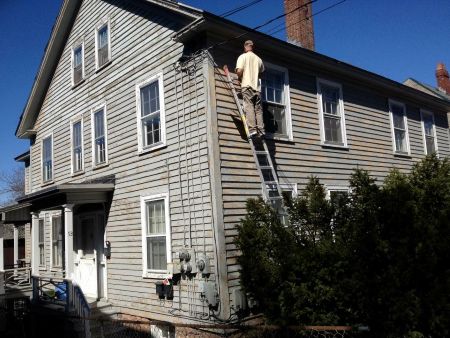
Exterior wood siding painting in Vermont is about protection first and beauty second. Between freeze-thaw cycles, lake-effect moisture off Lake Champlain, and sudden temperature swings, Burlington homes need a plan that respects the weather and the wood. If your clapboards or cedar shingles are looking tired, partner with a local exterior painting contractor who understands timing, moisture control, and primer selection. You can learn more about our approach on our exterior painting service page.
As Vermont house painters based near Burlington, our team at A Job Well Done, LLC focuses on three things that determine how long a paint job lasts: managing moisture, matching products to the substrate, and applying coatings in the right weather window. Get those right, and your siding will look great season after season.
Why Exterior Wood Siding Painting in Vermont Demands a Different Plan
Vermont gives your home all four seasons in full strength. Spring can be damp, summer is humid, fall cools quickly after sunset, and winter brings deep cold. Wood moves with those conditions. Paint must move with it and still seal out water. That is why the professional process in Burlington, Winooski, South Burlington, and the Hill Section is built around the climate, not just color charts.
Local neighborhoods like the Old North End and Five Sisters have many older homes with seasoned clapboard. Newer builds in Essex Junction, Colchester, and Shelburne often mix cedar, fiber-cement trim, and new pine. Each surface asks for a different prep and primer system so the film stays flexible and bonded when the thermometer drops.
Moisture Management Comes First
Water is the enemy of exterior wood. It can sit behind gutters, wick into end grain, and pool on horizontal trim. Before any coating plan makes sense, a pro team inspects where water gets in and how fast it gets out. We look at:
- End grain exposure at butt joints, window trim, corner boards, and cut edges
- Failed or brittle caulk lines around penetrations and trim junctions
- Splash-back zones near porches, steps, and low shrubs that trap dew
- Roof and gutter issues that overload siding with runoff
Never paint over damp wood. If siding registers wet or shows dark moisture staining, we solve the cause and allow adequate drying time before any primer or topcoat goes on. That decision alone can add years to a finish.
Surface Preparation That Extends Paint Life
Prep is where durability is won. For Vermont wood siding, that means controlled removal of loose material and a stable, clean surface for primers to bite. Our crews use dust-managed scraping and sanding, contain debris, and protect landscaping. On older Burlington homes, we follow lead-safe practices for disturbance and cleanup. Lead-safe work practices matter in Vermont’s older homes.
Once sound substrate is revealed, gaps and checks get sealed with paintable, flexible sealant rated for exterior movement. Hairline cracks in clapboards and end joints are common entry points for water. Sealing them reduces swelling and cupping when the fall chill returns.
Primers and Topcoats Built for Vermont Wood
Selecting products is about chemistry, not just brand names. Wood with tannins, such as cedar or redwood, benefits from stain-blocking primers. Weathered bare wood often needs a penetrating bonding primer to lock down fibers. New or replaced boards with fresh cut ends demand attention so the coating system is continuous, not patchy.
Back-priming cut ends and new boards is non-negotiable. Those spots act like tiny straws. When sealed before install or immediately after cutting, they stop water at the source and help the topcoat perform.
- Wood species and age: cedar shingles, historic clapboard, or new pine each have different needs
- Exposure: south and west faces take the most UV and require robust film build
- Color choice: darker shades can run hotter in summer sun and need flexible, high-solids coatings
Application Methods That Stand Up to Freeze-Thaw
Brush, roller, and professional spray applications each have a place. On profiled clapboard and rough-sawn siding, back-brushing or back-rolling after spray helps drive primer and paint into pores and laps for a tighter seal. Film build matters. So does even coverage at lap edges, where thin spots often appear first.
In Vermont, the weather window can shift by the hour. Coatings need time above their minimum temperature and within moderate humidity to cure, not just dry to the touch. Aim for dry, stable weather during application and cure. That is why professional crews sequence elevations and details around local forecasts, shaded areas, and how fast each side of the house warms or cools.
Local Climate Factors We Watch in Burlington, VT
The Champlain Valley creates microclimates. Homes near the lake in the New North End may see more morning dew. Hill Section properties cool off faster after sunset. Wind along Pine Street in the South End can kick up dust on calm days. Our crews time work to avoid coating over dew, push sun-exposed sections earlier, and target shaded sides later when surfaces warm.
If your place has dense plantings tight to the siding, we plan gentle pruning with your approval to improve airflow. This reduces trapped moisture and helps coatings cure. For homes in Shelburne or Colchester with heavy afternoon sun, we often build a little more film thickness on southwest faces to balance wear across the home.
Timing Your Project for the Best Results
Burlington’s painting season stretches longer some years and shorter in others, but the principle is steady: start when daytime warmth, overnight lows, and humidity all support the manufacturer’s cure requirements. If you are planning ahead, this quick read on the best time to schedule exterior painting in Vermont explains what to watch and why it matters.
Scheduling early also secures your preferred dates. Many Burlington homeowners book on the heels of mud season so siding can fully dry out before work begins. That small head start helps with adhesion and overall finish quality.
What a Professional Inspection Includes
Before writing a scope, we walk the home with you and note priorities. Then we verify what the wood and previous coatings need. A typical assessment includes:
- Siding condition by elevation: peel pattern, chalking, cupping, and soft spots
- Trim and window details: end grain exposure, failed glaze, and joint movement
- Moisture risks: splash zones, downspout aim, and grade slope at the foundation
- Replacement needs: boards, corner posts, or drip caps that should be swapped before paint
From there, you receive a clear sequence: repairs, targeted washing, containment, surface stabilization, priming, and finish coats. The goal is a tight system, not just new color.
Targeted Cleaning as Part of Prep
Paint adheres best to clean, dull, and dry surfaces. When algae, soot, or pollen are present, a professional wash tailored to your siding and trim prepares the surface without forcing water where it should not go. On Burlington Victorians with ornate details, we use careful methods to protect profiles and joints, then allow adequate dry time ahead of primer.
Details That Make a Vermont Paint Job Last
Small choices add up in a cold climate. We seal fasteners that have started to rust-stain, prime all bare wood the same day it is exposed, and use flexible sealants that keep their grip when January arrives. On homes with mixed materials, we bridge transitions so the coating system does not fail at the seam.
We also document colors, sheen, and batch numbers so touch-ups down the road match cleanly. That record is handy for homeowners in neighborhoods like Five Sisters or the Old North End where trim colors often carry historical character.
How Many Coats Does Vermont Wood Really Need?
Most exteriors get a bonding or stain-blocking primer plus two finish coats for uniform color and protection. On sun-baked faces or very porous wood, we may build additional film thickness to slow down weathering. That extra effort helps your siding resist checking when winter dries the air and shrinks the boards.
Maintenance That Protects Your Investment
After the project, a simple annual check keeps your finish on track. Look for early caulk separation around sills and trim, and watch high-splash areas near steps and downspouts. If you see rapid wear in one spot, call us before winter sets in. Addressing small issues early prevents water from getting behind the system and saves boards from rot.
When it is time to refresh or expand the project to a garage or addition, returning to the same product family and sheen maintains a consistent look across the property.
When Repair Comes Before Paint
Sometimes siding or trim has moved beyond cosmetic fixes. Soft boards, deep cracks, or failing drip edges should be replaced so the new coatings have a solid foundation. We match profiles and prime replacements on all faces and ends. That way, the new wood is sealed before it ever meets the weather.
What Homeowners in Burlington, VT Often Ask
Two concerns come up again and again: timing and longevity. For timing, we covered the basics above and shared an in-depth resource on seasonal scheduling. For longevity, the honest answer is that it depends on exposure, wood species, and how well moisture is controlled. With the right prep and products, a professional exterior finish stands up far better to Vermont’s winters than a quick repaint.
If you are comparing options, spend a moment on process. The lowest price rarely includes thorough substrate repair, proper primer, or the film build your home needs. A detailed scope is the best sign you will get a durable result.
Ready to Protect Your Wood Siding the Right Way?
If you want exterior results that look great and last, bring in a team that builds the job around Vermont’s climate and your home’s materials. You can see how we plan, prep, and finish projects on our Burlington exterior painting process page. Or, if you prefer to start at the beginning, learn more about exterior wood siding painting in Burlington, VT and the values that guide A Job Well Done, LLC.
Have questions about your siding in the New North End, South End, or nearby towns like Shelburne and Essex Junction? Call us at 802-578-7128 and we will schedule a visit, review your goals, and map out a climate-smart plan that protects your home for years to come. Call now for exterior painting in Burlington.