

Signs Your Home's Exterior Needs a Fresh Coat of Paint
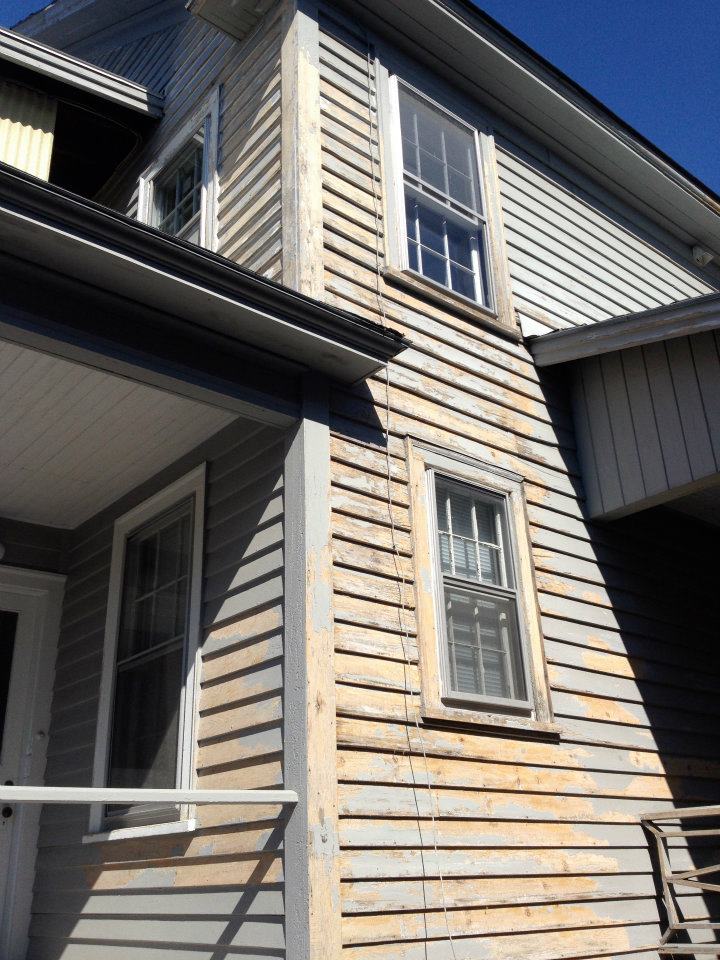
If you are starting to wonder whether it is time for exterior painting that Burlington, VT homeowners trust, you are not alone. Burlington's bright summers, lake-effect moisture, and long winters test every finish. A timely repaint seals out water, restores curb appeal, and helps your siding stand up to freeze-thaw cycles. If you already see trouble areas, explore our exterior house painting services to understand what a thorough, professional repaint includes.
Why Exterior Painting in Burlington, VT Protects Your Home
Paint is more than color. It is a weather shield that keeps water from getting into wood, fiber cement, and trim. Around Lake Champlain, wind-driven rain and spring melt try to work under weak coatings. Once water sneaks in, it swells wood fibers, opens joints, and speeds rot. A durable, well-bonded finish resists sun on south-facing walls in the New North End, stands up to winter on the Hill Section, and keeps trim looking crisp across the South End and Five Sisters.
Peeling And Flaking Paint
Peeling is the clearest signal your exterior is overdue. You might notice chips collecting near steps, curling edges on clapboards, or patches lifting from sills and fascia. Peeling breaks the protective seal and exposes bare wood to sun, rain, and ice. Left alone, boards can cup and crack. A professional repaint restores adhesion, locks down edges with the right primers, and builds up a uniform film so your home looks smooth again.
Fading Colors Or Chalky Residue
Colors lose depth over time, especially on sunny elevations. If your deep blue or forest green now looks washed out, UV has likely thinned the top layer. Another clue is a white, powdery film that rubs off on your hand. That chalking means binders in old paint are breaking down and your finish is wearing away. A fresh, quality topcoat revives color and improves resistance to sun, pollen, and run-off from upper roofs and dormers.
Cracked Or Missing Caulk
Look where siding meets corner boards, around window trim, and at door casings. When caulk splits or pulls away, water has a path inside. Even hairline gaps can let meltwater and rain reach framing. Over winter, that moisture can freeze and widen joints. Repainting with tight, flexible caulk helps seal these spots so your new finish can do its job through the next set of seasons.
Exposed Or Weathered Wood
Raw wood at trim edges, sills, and fascia is a red flag. You may see gray streaks, surface checking, or feathered edges where old layers have worn thin. Once wood turns gray, fibers near the surface are already degraded and less willing to hold paint. A timely repaint covers and protects those areas before they soak up more water and require larger carpentry repairs.
Moisture Damage And Stains
Dark stains under eaves, near gutters, or beneath window sills often point to hidden moisture. If you notice swollen boards, soft spots, or a musty look around joints, take note. Snow loads and spring thaw can push water into weak points, especially on shaded sides that dry slowly. Fresh paint alone cannot fix hidden moisture, but a professional repaint plan finds and addresses the cause, then locks out water with primer and a well-chosen topcoat.
Cold nights and warm days around Burlington create rapid freeze-thaw swings that pry open small paint cracks. After the first hard frost of the season, check south- and west-facing walls for new splits. Icy walks and slick decks increase fall risk with ladders, so let trained crews handle elevated work when conditions turn.
How Vermont's Seasons Speed Up Exterior Wear
Each season does something different to your paint film. Winter piles snow against lower clapboards and blasts trim with wind. Spring adds wet-dry cycles and pollen that can stick to tired coatings. Summer bakes color and pulls oil or moisture toward the surface. Fall brings gusts and cold snaps that widen small cracks. Homes near open areas or along higher ridges in Burlington and South Burlington may see even faster wear on their windward sides. A high-quality repaint, applied in stable weather, gives your exterior a stronger start to face the year.
Early Clues You Can Spot On A Walkaround
You do not need a ladder to catch the first signs. A slow walk around the foundation and porch areas can reveal trouble before it spreads. Check these areas from the ground:
- Lower clapboards and trim where snow banks up or sprinklers spray
- South-facing walls that look lighter or dusty compared to shaded sides
- Window sills and drip caps with hairline splits or dark marks
- Door trim and corner boards with open joints or missing caulk
- Paint flakes near steps, garden beds, and deck edges
Finding even a few of these early often means a simpler, cleaner repaint with better long-term results.
Neighborhood Examples Across Burlington
In the Old North End and New North End, wind off the lake can drive rain under weak edges, so peeling often shows up first on west walls. In the South End and Five Sisters, tall trees keep siding cooler yet damper, so chalking and mildew stains may be more common. Hill Section homes see bright sun and winter icing on steep drives that make access trickier. A repaint tuned to your home's exposure helps the finish last no matter the microclimate.
How A Professional Repaint Solves These Problems
A quality repaint is a system. It starts with a close inspection to pinpoint failures, then uses materials that match your siding and existing coatings. Surfaces are cleaned so primers can bond. Loose edges are removed to a firm boundary, and bare or stained areas are spot-primed to even out porosity. Seams are caulked to block water paths. Finally, pros apply finish coats in the right sequence for sun and shade so sheen and color stay consistent from one elevation to the next. If you want a deeper look at the process and what is included locally, visit our page on exterior painting.
Why Acting Now Saves Time Later
Paint failure escalates. Once peeling starts, more edges lift. Once caulk opens, joints widen. Once wood is exposed, fibers swell and crack. Addressing these issues before winter or early in the painting season helps your new coating cure under steadier weather. It also protects trim from another year of water and sun cycles that turn small fixes into bigger ones.
Timing Around Burlington's Painting Season
Our local outdoor season generally follows the weather. Warm, steady days with dry surfaces are best for bond and cure. Late spring through summer often delivers those windows here, with early fall sometimes cooperating too. Siding on the lakeside of town may hold morning dew a bit longer than inland areas, while south-facing walls can heat quickly by noon. Pros should schedule each elevation with these patterns in mind to help your paint form a strong, even film.
Common Questions Homeowners Ask Themselves
- Are small hairline cracks worth caring about? Yes, because they invite water that widens them later.
- Can fading wait a year? Maybe, but heavy chalking means the film is thinning, and protection is dropping.
- If only one side is peeling, do I need a full repaint? Many homes benefit from a full, uniform system so color and protection match, but scope varies by condition.
Location-Specific Help When You Need It
If you prefer guidance tailored to local weather and neighborhoods, the best next step is a quick assessment. For an overview of services near you, review our city page for Burlington, VT exterior painting. It highlights how local conditions influence prep and materials so your finish holds up in every season.
What To Do When You Spot These Signs
Once you see peeling, chalking, cracked caulk, exposed wood, or moisture stains, it is time to plan a repaint. A quick site visit from a pro confirms the cause and outlines the right fix. That plan protects your siding, trims future maintenance, and brings back fresh, even color that fits Burlington's classic styles. If you want to learn how a full-service approach is sequenced and why that matters for durability, start with our overview of exterior house painting services.
For trusted exterior painting in Burlington, VT, schedule your home assessment with A Job Well Done LLC today.
Protect Your Investment With A Local Team You Can Reach
When you hire a nearby crew, you get quick responses before and after the job and a finish designed for our climate. You also gain peace of mind knowing help is close if a question pops up after the paint cures. If you want to connect with a dependable, local team, call us at 802-578-7128 or learn more about working with a trusted Vermont painting contractor serving Burlington and surrounding communities.
Peeling paint exposes bare wood to Vermont weather, so do not put off an inspection once you notice lifting edges.
Moisture intrusion leads to wood rot and paint failure, and a timely repaint helps stop that cycle.